
CE marking vs UL/CSA certification: why they are not the same thing
Why a "CE" panel is not enough for the United States or Canada
Many Italian companies that manufacture machinery for export face a question that seems obvious but isn't: if an electrical panel is already CE marked, why does the American or Canadian client ask for a different certification? The answer is that CE marking and UL/CSA certification belong to two distinct regulatory systems, designed for different markets, and they are not interchangeable.
What CE marking certifies (and what it does not)
CE marking states that a machine complies with the Machinery Directive and the harmonised IEC/EN standards applicable within the European Union. In most cases it is a self-declaration: it is the manufacturer itself, based on the technical documentation and the required verifications, that attests conformity and applies the mark, without the intervention of a third-party body always being necessary. It is a system that works well within the European Economic Area, where IEC/EN standards are the shared reference for manufacturers, installers and inspection bodies.
The rules of the North American market: NFPA 79, UL 508A, CSA C22.2
In the United States and Canada, the reference changes completely: NFPA 79, UL 508A and CSA C22.2 standards apply. The most significant difference compared to the European system is that conformity cannot simply be declared: it must be recognised by local inspection bodies, the AHJs (Authority Having Jurisdiction), which verify the installation before it is put into service. A UL 508A certification guarantees that the panel has been designed and assembled according to standards recognised in the USA; without this certification, many American clients will not accept the installation, and in some states it is even a legal requirement. CSA is the Canadian equivalent, and it is not uncommon for manufacturers to obtain both certifications to cover the entire North American market with a single product.
What really changes at the design stage
The difference between the two systems is not just formal: it involves concrete construction choices, different from those provided for by IEC standards. Among the main points:
- Listed components: only UL-certified components may be used, verifiable in the official lists published on the UL website
- Cable segregation and routing: standards prescribe minimum distances and separation methods between circuits
- Labelling: every terminal block, conductor and component must be identified according to NFPA requirements
- Documentation: electrical diagrams must follow different conventions from IEC ones
A panel designed and assembled for the European market, therefore, does not become UL/CSA compliant through a simple document review: it requires specific design choices from the outset.
Does CE marking no longer matter, then?
No — and this is often where confusion arises. CE marking remains necessary to sell a machine within the European Union: nothing changes on that front. The point is different: CE is not recognised as a conformity standard in North America, just as UL 508A and CSA C22.2 have no legal value in Europe. For a company that wants to sell the same machine on both markets, both certifications are therefore needed: CE for the European Union, UL/CSA for the United States and Canada. These are separate paths that run alongside each other rather than replacing one another, and both should be planned from the design stage if the goal is to serve multiple markets with the same product.
How VF Elettrica works on CE and UL/CSA projects
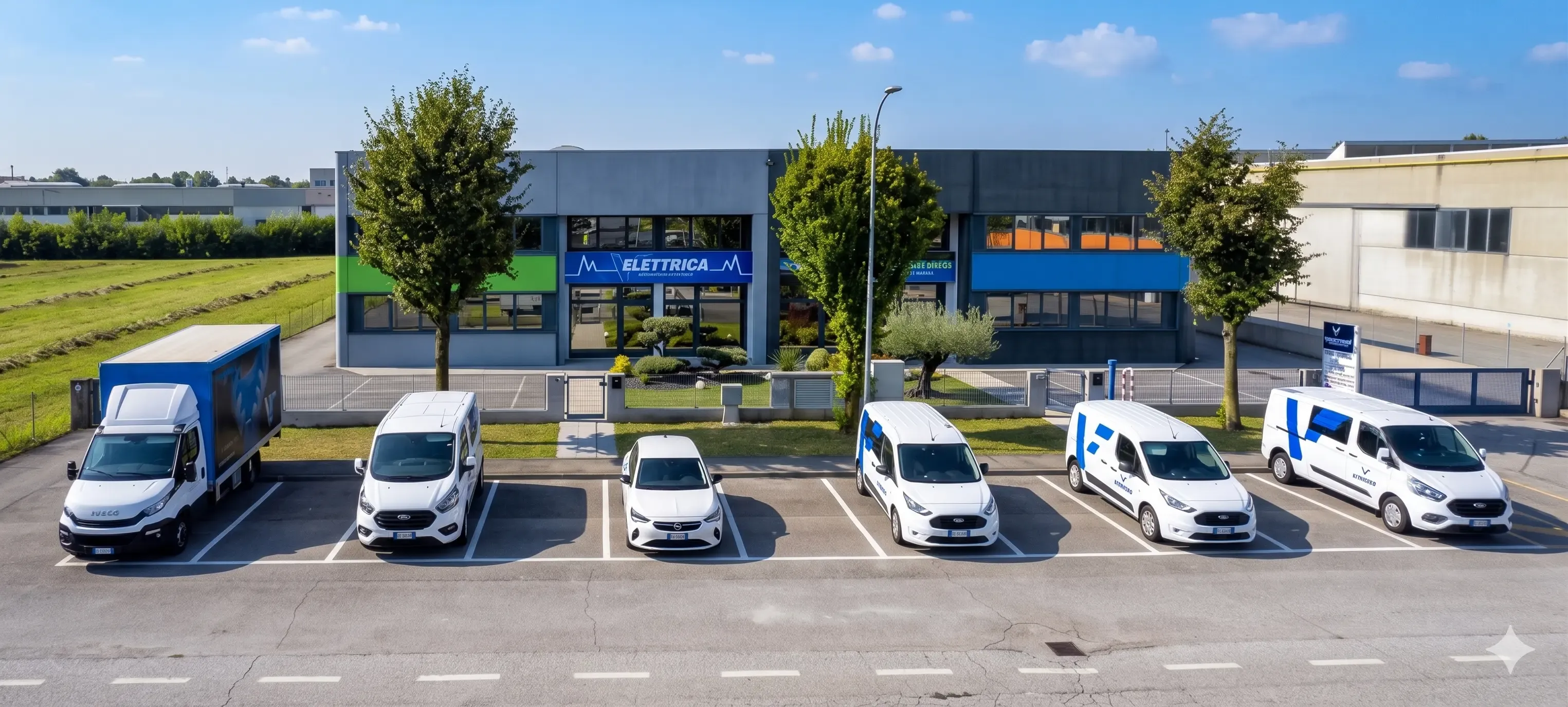
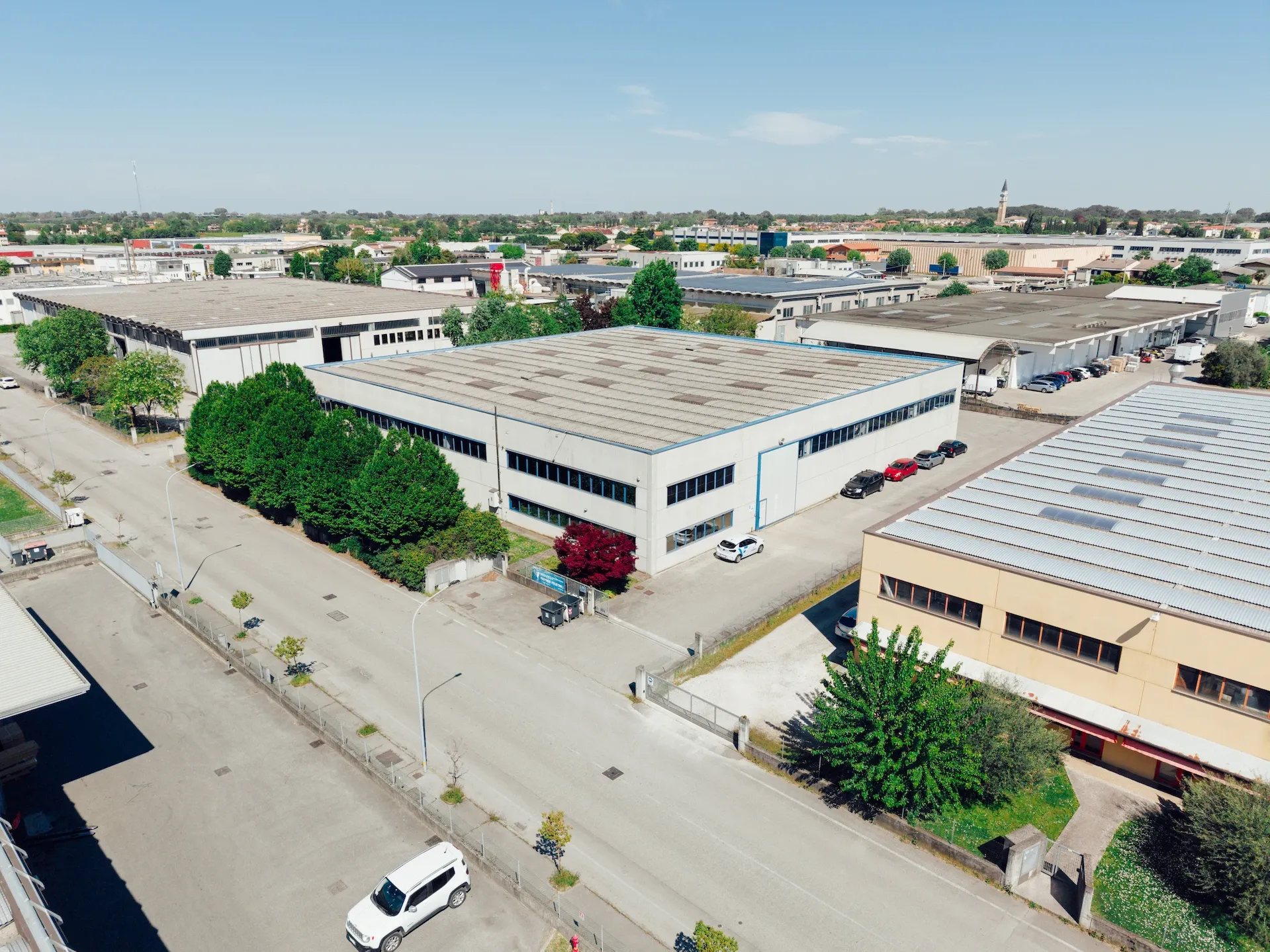
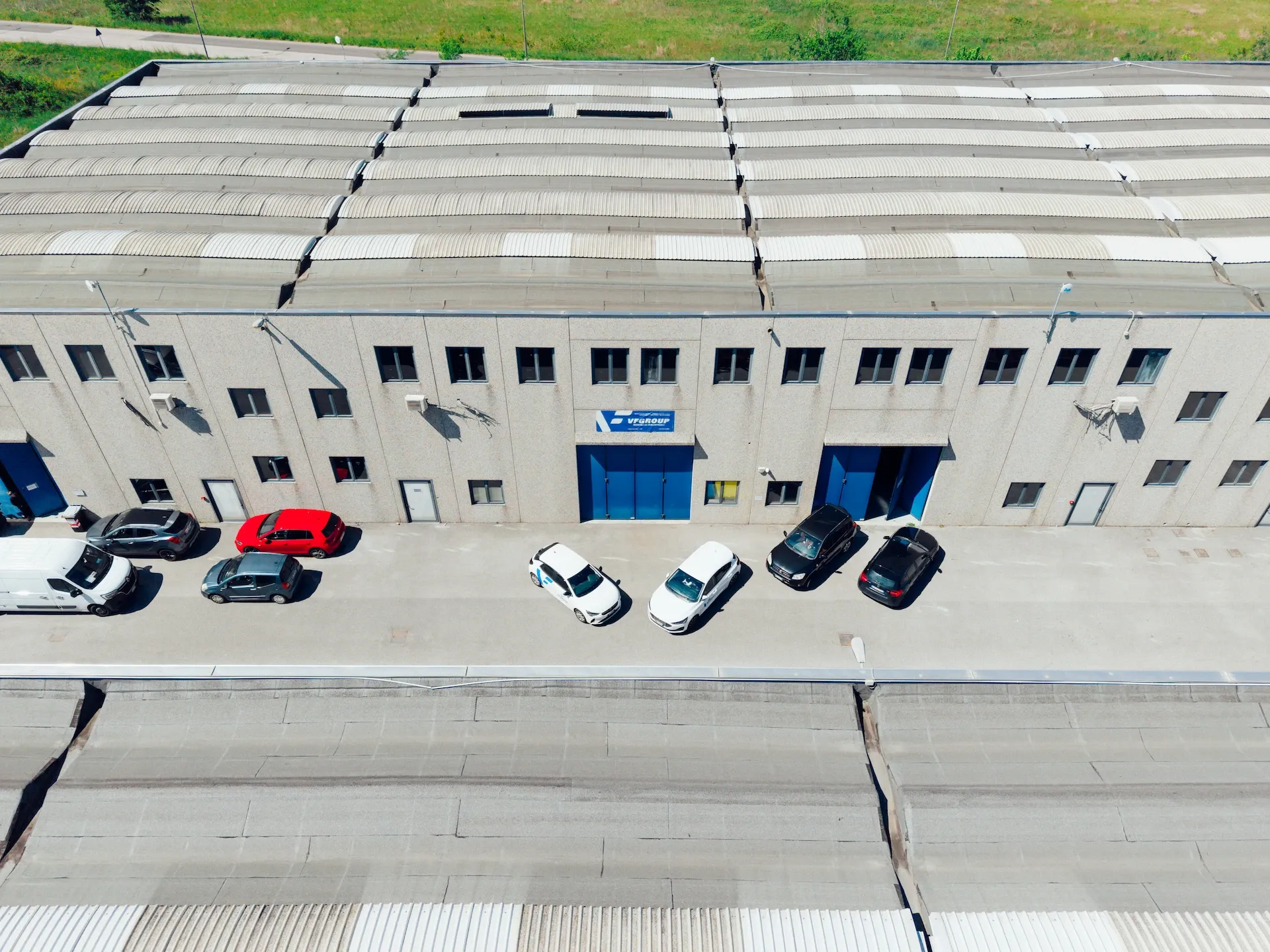
The VF Elettrica division designs and assembles automation, distribution and control panels internally, developing diagrams with EPLAN and SPAC and identifying, from the design stage, construction choices compatible with both European standards and, when required, North American ones. UL and CSA certification is carried out internally, without relying on a third-party laboratory for final testing: the entire process, from design to the release of compliance, takes place under one roof, at our four plants in San Vendemiano (Treviso), Romans d'Isonzo (Gorizia), Fossalta di Piave (Venice) and San Felice sul Panaro (Modena), with the same traceable quality control chain we apply to standard CE certification.
For more on the full service — from project analysis to delivery of a panel ready for AHJ inspection — see the UL/CSA compliant electrical panels page.