
Outsourcing machine assembly: when full outsourcing makes sense
For many machine builders the bottleneck is neither engineering nor sales, but the workshop: no floor space left, fitters who are hard to find, order peaks you cannot turn down. Outsourcing assembly has become a common answer. The less obvious question comes right after: should purchasing go out along with the assembly?
Two ways to outsource assembly
With standard outsourcing the builder buys and supplies all the material: bought-out components, fabrications, electrical material. The partner receives it, checks it against the bill of materials, assembles and tests. The builder keeps direct control of the supply chain and hands over only labour and floor space.
With full outsourcing the partner takes on procurement as well. Working from the customer's bill of materials, it buys the components, coordinates supplier deliveries and inspects the material before assembly. For the builder, dozens of purchase orders and chasers turn into a single point of contact.
What full outsourcing really changes
One party accountable for lead times and completeness
When purchasing stays with the builder and assembly is outsourced, one late component stops the partner's work, and working out who is responsible for the delay gets difficult. With full outsourcing whoever builds the machine also places the orders: lead times and kit completeness sit with the same party.
Less load on your purchasing team
Most of a machine's bill of materials is made up of low-value lines that still need orders, confirmations and chasing. At production peaks the purchasing department often runs out of capacity before the shop floor does. Handing these lines to the partner frees up time for the purchases that really matter.
The scope is not all or nothing
You can hand over the whole bill of materials or only certain categories, keeping strategic components in house, or those on which you already have favourable pricing agreements. The scope is set order by order.
When it pays off and when it does not
Full outsourcing tends to work well with:
- stable bills of materials and series production, where purchasing can be planned on volumes
- order peaks that the in-house organisation cannot absorb
- builders who want to focus their resources on engineering, sales and service
- machines with a substantial electrical scope, if the partner also builds the wiring and the panel: fewer hand-offs between different suppliers
It is less suitable when:
- the bill of materials changes as the build progresses, as with prototypes
- the builder has framework agreements with suppliers that could not be replicated
- the value of the machine lies precisely in how suppliers are chosen and managed
In these cases standard outsourcing, or full outsourcing limited to certain categories, remains the more sensible choice.
What to prepare before asking for a quote
- an up-to-date bill of materials, flagging any mandatory brands
- general assembly drawings and electrical schematics
- expected volumes and cadence: one-off, batches or ongoing series
- test specifications and the documentation required at delivery
- which purchasing categories you want to hand over and which to keep
The more complete this information is, the more accurate the quote will be on lead times and costs.
How it works at VF
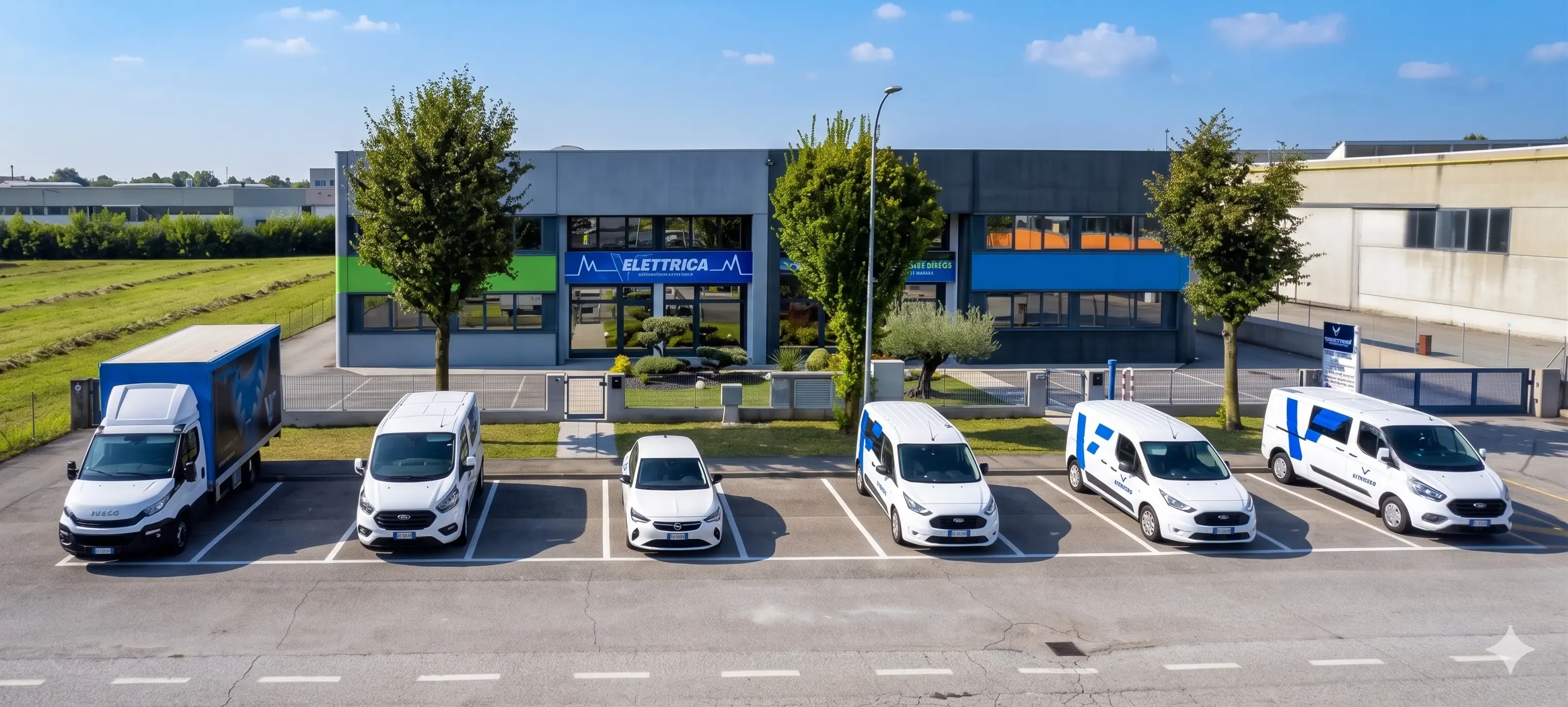
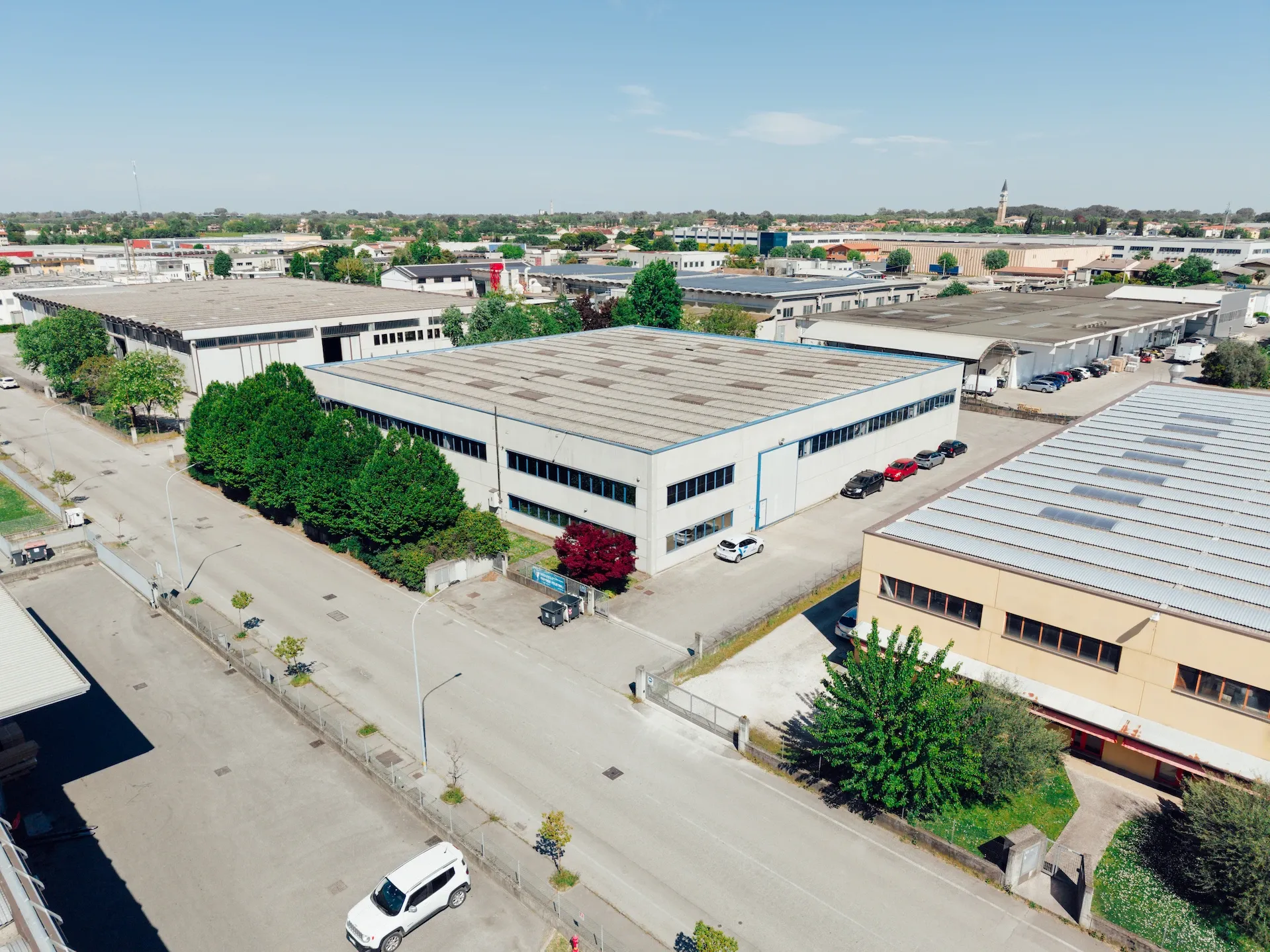
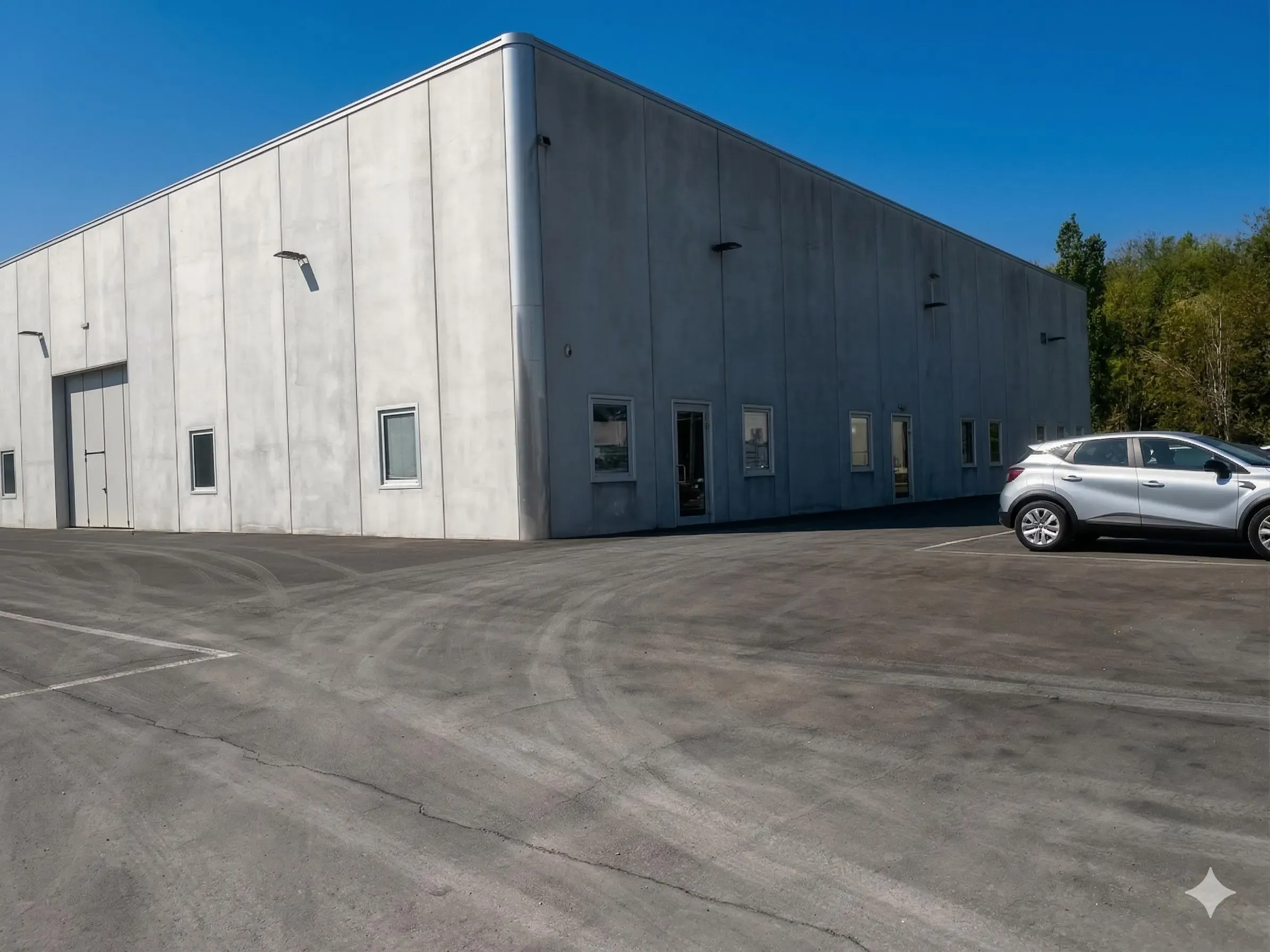
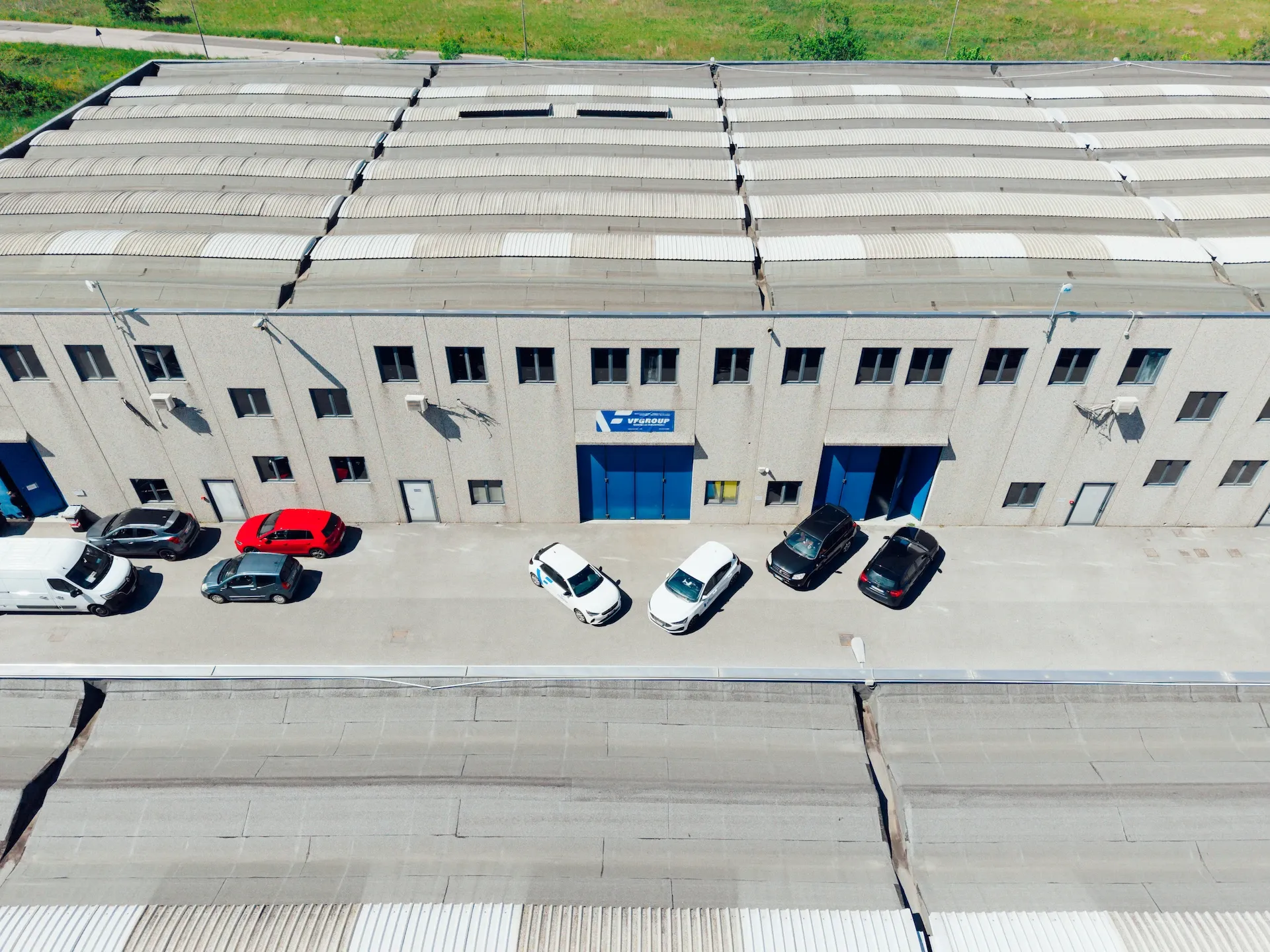
At VF, contract assembly is carried out at our San Vendemiano (Treviso) and Fossalta di Piave (Venezia) facilities. Machine-side wiring and the electrical panel are built by VF Elettrica, part of the same group. Under full outsourcing VF purchases against the customer's bill of materials, coordinates the suppliers and delivers the machine tested; the purchasing scope is agreed at the start of each order. The models, the steps and the FAQs are covered on our contract machine assembly page.
Have a project in mind?
Tell us what you need: we reply within 2 business days.
Get a quote Get a quotePrefer to talk now? Call +39 0438 402958 or email info@vfgruppo.it
Mon–Fri 8:30–12:30 / 14:30–18:30 (CET) · Reply within 2 business days